
Vortakt Expands Manufacturing Capabilities
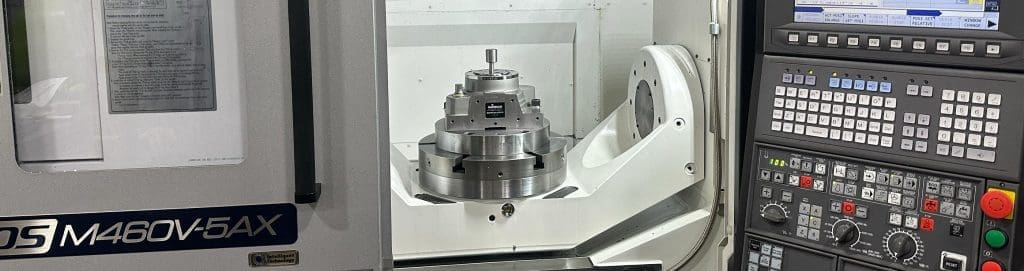
Vortakt Barrel Works announced an advancement in its manufacturing capabilities with the installation of a new Okuma 5-axis machine.
Barrel Manufacturing by the Numbers
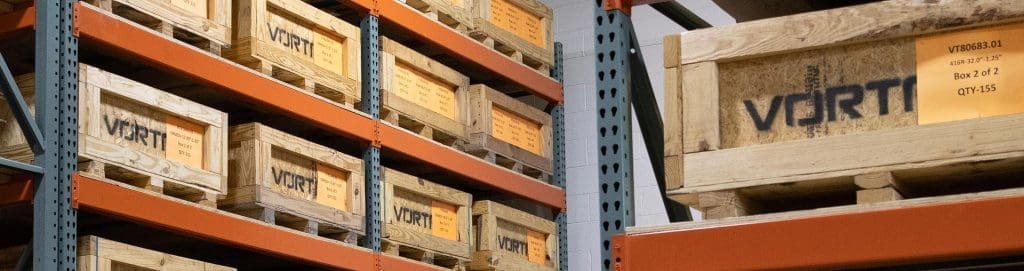
Production volume and scale Vortakt’s capacity is impossible to ignore. Last year we produced 162,357 barrels, which required just under 750,000 pounds of steel. Running three shifts and leveraging advanced manufacturing technology and automation, we delivered enough pistol and rifle barrels in 12 months to equip the entire active-duty military of any one of 161 […]
Inside Precision: PRS Visits Vortakt Barrel Works

A Behind-the-Scenes Look at Precision Barrel Manufacturing This exclusive collaboration between the Precision Rifle Series and Vortakt Barrel Works takes you behind the scenes for a rare, on-site episode. PRS visits Vortakt’s state-of-the-art facility for an inside look at the innovation driving one of the most trusted OEM barrel manufacturers in the industry. Join Ken […]
Quality, Specifications, and Workmanship in the Barrel Manufacturing Process
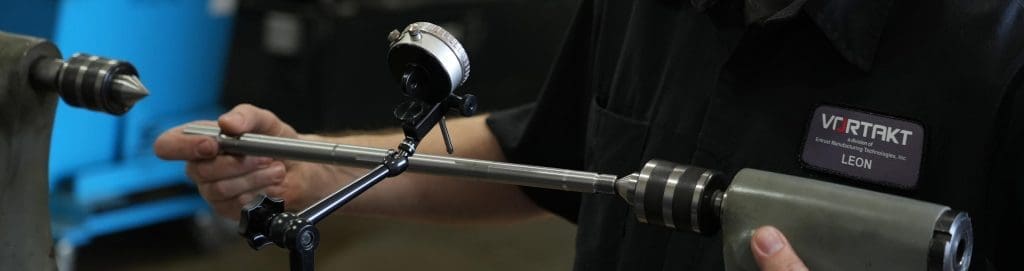
Vortakt Barrel Works provides OEM barrels to top brands across the firearm industry. By effectively harnessing automation technology and adhering to engineering best practices, our…
Stress Relieving in Barrel Manufacturing
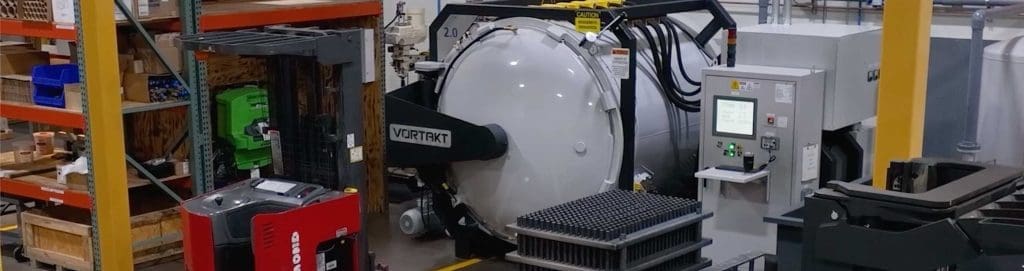
What Effect Does Stress Relieving Have on a Barrel’s Performance? The phrase “stress relief” is a slang term that applies to a form of heat…
Vortakt Introduces Lean 5S Program with New Production Manager Hire

Marc Grischeau: Driving the Firearm Industry Forward Through Smart Manufacturing Why are we most excited about Marc’s arrival? He’s a critical ingredient in the recipe to…
What’s a Lollipop? Manufacturing Semi-Finished Pistol Barrels
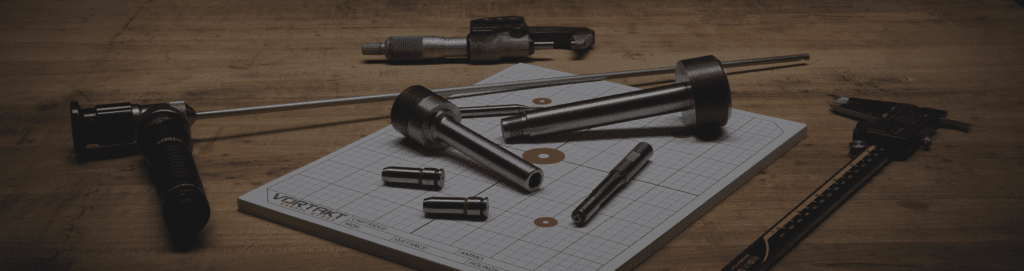
Pistol Barrel Materials Vortakt typically starts pistol barrel production with 416R stainless steel bar stock for most match-grade barrels, or 4150 CrMoV steel for more price conscious “duty grade” barrel designs. 416R stainless steel can be left in the white, while 4150 CrMoV steel is typically nitrided later in the production process. Two major categories […]
Manufacturing Pre-Fit Barrels: Features and Benefits of Shouldered and Barrel Nut Pre-Fit Designs
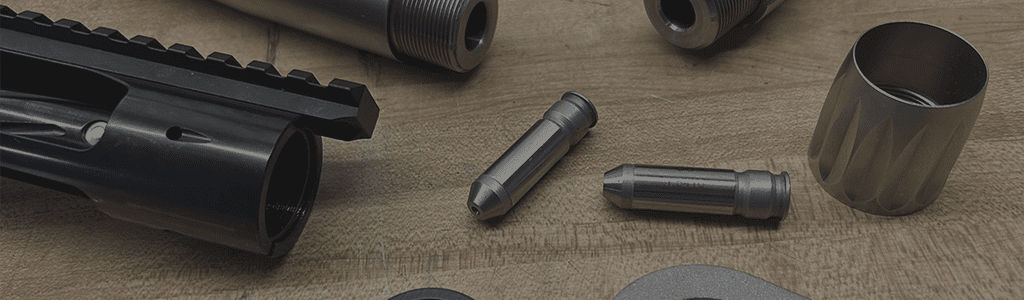
What are Barrel Nut Pre-Fit Barrels? Savage first popularized the pre-fit barrel in 1958 with the introduction of the Model 110 rifle design. The Savage barrel nut system features a threaded ring that sandwiches an indexed recoil lug between the barrel nut and receiver face. Rather than featuring a machined shoulder, these barrels simply use […]
The Vortakt Barrel Works Experience: New Review from Precision Rifle Components
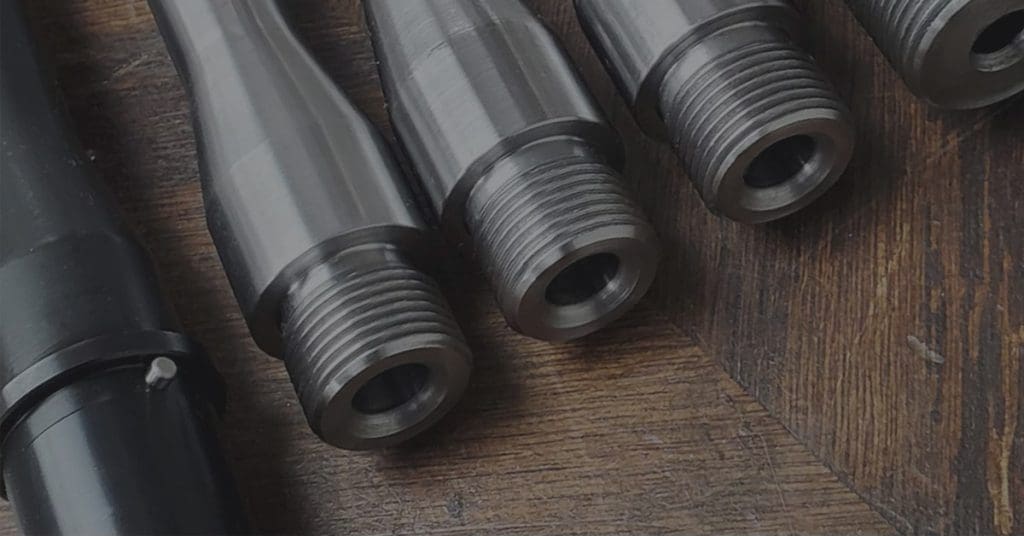
What is it like working with Vortakt? check out this recent case study! Vortakt is more than just an OEM barrel supplier, we’re a business partner for the entire firearm industry. Precision Rifle Components experienced one of these B2B relationships firsthand in a recent collaborative project with a new Vortakt client. In their latest case […]
When Does it Make Sense to Outsource Finishing Operations in Barrel Production?
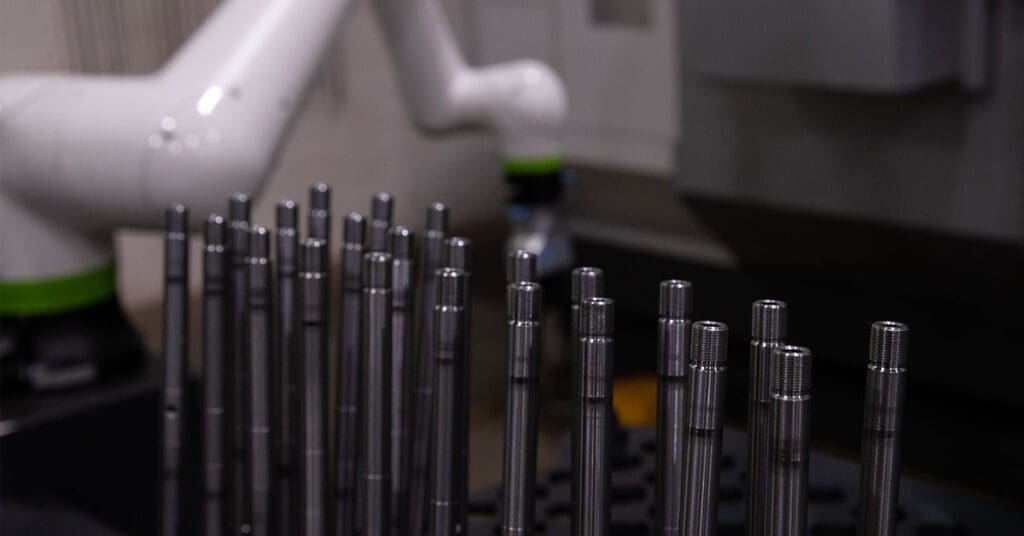
Barrel Blanks vs. Semi-Finished Barrels vs. Finished Barrels Every rifle and pistol manufacturer in the firearm industry has a different approach to their OEM relationships. In-house machining capabilities, skilled labor availability, time-to-market needs, inventory management practices, and contract requirements may dictate which finishing operations are carried out in-house versus those that are serviced by an […]